
🚨 Military Member Facing Criminal Charges? - Get Legal Help Now →
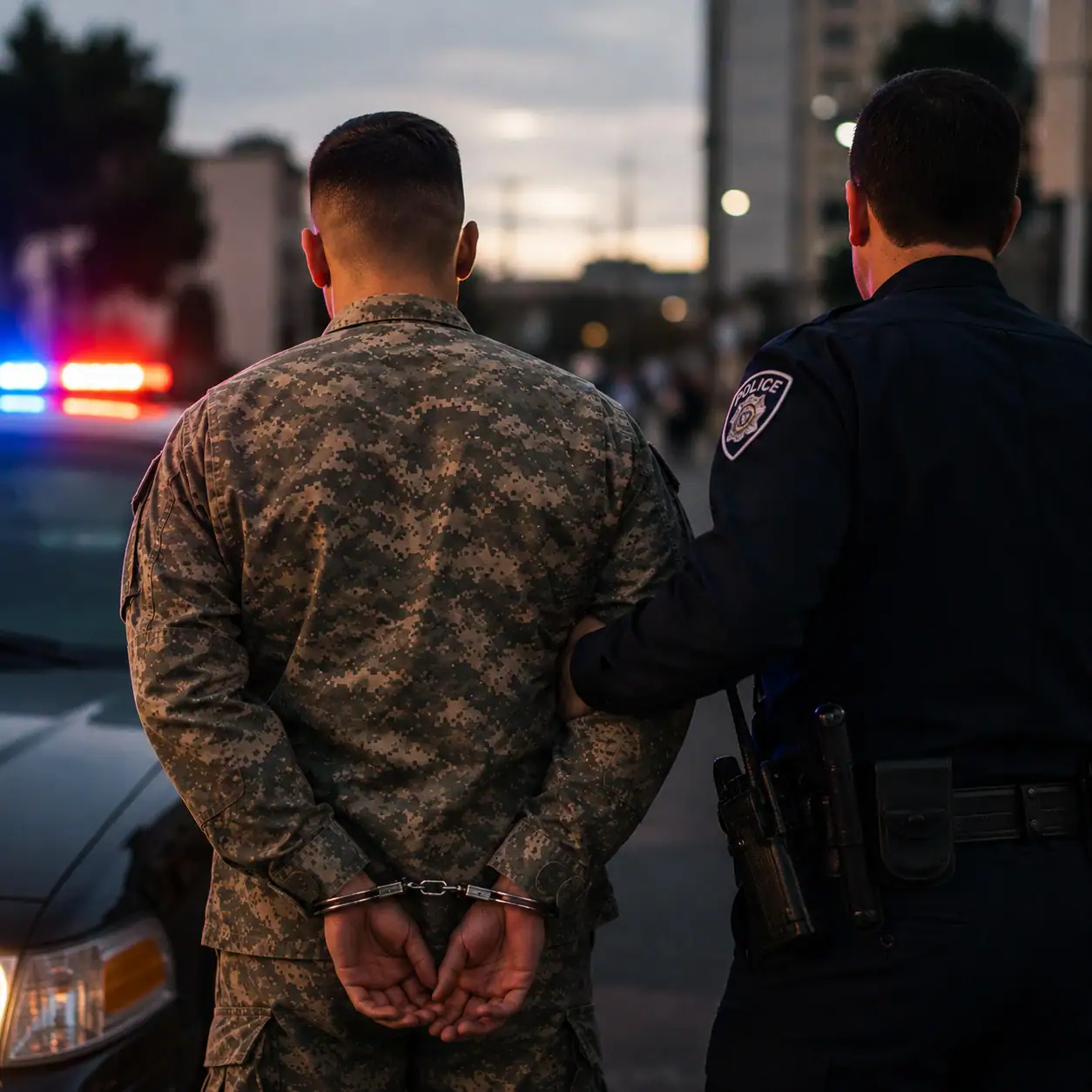
What Is Military Diversion in San Diego?
By Jason Ronis | DUI / DWI Defense Attorney | Jason Ronis Law, San Diego CA
⭐⭐⭐⭐⭐ 5-Star Rated on Google — Se Habla Español
TL;DR: Military diversion (California Penal Code § 1001.80) allows current and former U.S. service members charged with a misdemeanor to complete treatment for PTSD, substance abuse, sexual trauma, or another mental health condition connected to their service — instead of facing traditional prosecution. If you successfully complete the program, typically lasting up to two years, the charges are dismissed. This applies to qualifying misdemeanor DUI, domestic violence, and other charges, and it applies regardless of discharge status. Call Jason Ronis Law at (619) 859-2002 for a free consultation directly with the attorney — not a paralegal or receptionist — to find out if you qualify.
☎️ Free Legal Consultation — Talk Directly With Jason Ronis, Not a Paralegal or Receptionist. Every case review is handled personally by the attorney, at no cost, day or night. Call (619) 859-2002.
What Is Military Diversion, Exactly?
Military diversion is a pretrial program under California Penal Code § 1001.80, enacted in 2015, designed specifically for current and former members of the U.S. Armed Forces facing misdemeanor criminal charges. Instead of moving through the traditional prosecution process — plea, sentencing, and a permanent conviction — an eligible service member or veteran can be diverted into treatment.
The idea behind the law is straightforward: many misdemeanor offenses committed by service members and veterans trace back to PTSD, traumatic brain injury, sexual trauma, substance abuse, or another mental health condition connected to military service. Rather than criminalizing the underlying condition, military diversion gives the court a path to address the root cause while still holding the person accountable through supervised treatment.
If you complete the program successfully, the court dismisses the charges entirely. The arrest is deemed never to have occurred for most purposes, protecting your record, your career, and — critically for many service members — your security clearance.
Who Qualifies for Military Diversion in San Diego?
To be considered for military diversion, you generally must establish:
- You are a current or former member of the U.S. military — active duty, reserves, or veteran status all qualify
- You are charged with a misdemeanor — military diversion is generally not available for felony charges
- You suffer from PTSD, sexual trauma, traumatic brain injury, substance abuse, or a mental health condition that resulted from your military service
- You consent to the program’s conditions, including waiving your right to a speedy trial while the diversion process plays out
Important: the law does not disqualify service members based on discharge status. Whether you received an honorable, general, other-than-honorable, or even a bad conduct or dishonorable discharge, you may still be eligible — as long as the underlying condition traces back to your period of service. This is one of the most misunderstood parts of the program, and it means many veterans who assume they don’t qualify actually do.
What Charges Qualify for Military Diversion?
Military diversion applies to misdemeanor charges. Some of the most common charges we see qualify include:
- Misdemeanor DUI — California law specifically carves out an exception allowing military diversion for qualifying DUI cases, despite a general rule against diversion in most DUI matters. Felony DUI charges are excluded.
- Domestic violence (misdemeanor) — diversion here can address the underlying trauma while also working toward better outcomes for the individual and their family
- Vandalism
- Simple assault or battery (misdemeanor)
- Other qualifying non-violent misdemeanors tied to a service-connected mental health condition
<div style=”background:#FEF3C7;border-left:4px solid #D97706;padding:14px 18px;margin:16px 0;”> <strong>Why this matters for security clearances:</strong> A misdemeanor conviction — even one that sounds minor, like vandalism — can trigger review or revocation of a security clearance. Diversion resulting in dismissal can prevent that outcome entirely, which is often just as important to a service member’s career as avoiding jail time. </div>
How the Military Diversion Process Works
- Request diversion — your attorney submits a request for participation in the Military Diversion Program (MDP) to the court
- Mental health assessment — the court orders an evaluation by a licensed mental health professional. In San Diego, this assessment may be conducted by a regional Veterans Center (San Diego, San Marcos, or Chula Vista), the VA Mental Health Access Clinic, or the VA Substance Abuse Recovery and Rehabilitation Treatment Program
- Court review — if the assessment shows a mental health condition connected to your service, the court can place you into the program under the supervision of court personnel and licensed mental health professionals
- Treatment period — diversion can last up to two years, during which the court receives periodic progress reports on your treatment compliance
- Successful completion — the charges are dismissed, and the underlying arrest is deemed not to have occurred for most purposes
- Non-compliance — if you fail to comply with treatment conditions, criminal proceedings can be reinstated and the case moves forward as if diversion had not been granted
Why San Diego County’s Application of the Law Matters
Here’s something important that most people searching for information on this topic don’t realize: while California Penal Code § 1001.80 itself does not limit eligibility to first-time offenders, San Diego County Superior Court has historically restricted participation in the MDP to first-time misdemeanor offenders as a matter of local practice — even though the statute doesn’t require this.
This distinction matters enormously. It means:
- How your case is presented to the court can affect whether a judge is willing to grant diversion
- An attorney familiar with how San Diego County specifically implements this program — not just the general statute — can make the difference between a diversion request being granted or denied
- If you have a prior record, this doesn’t necessarily disqualify you under the law itself, but it does mean you need an attorney who can effectively argue for an exception to local practice
Military Diversion vs. Other Diversion Programs
Military diversion is often confused with other California diversion programs. Here’s the distinction:
| Program | Who Qualifies | Charge Type |
|---|---|---|
| Military Diversion (PC § 1001.80) | Current/former service members with a service-connected mental health condition | Qualifying misdemeanors |
| PC 1000 Drug Diversion | First-time drug offenders (simple possession) | Misdemeanor drug possession |
| Mental Health Diversion (PC 1001.36) | Anyone with a qualifying mental health disorder, regardless of military status | Most misdemeanors and some felonies |
If you’re a veteran or service member, military diversion is often the stronger path because it’s specifically designed around service-connected conditions and San Diego’s Veterans Treatment Court infrastructure. Learn more about how these programs compare on our PC 1000 drug diversion page and our military diversion practice page.
“I was really worried about what this would mean for my career after my service. Jason Ronis understood exactly what I was dealing with and walked me through every option — including diversion. I felt respected the entire time, not judged.”
— Verified Client, ★★★★★ Google Review
🔴 Don’t assume you don’t qualify — most veterans do
Find Out If You’re Eligible for Military Diversion — Free
Talk directly with Jason Ronis about your service record, your charge, and whether diversion is available to you — no pressure, no obligation.
📞 Call (619) 859-2002 | 💬 Text Us Now
Can Military Diversion Be Used for a DUI?
Yes — this is one of the most valuable applications of the program. California generally restricts diversion options for DUI charges, but military diversion is a specific, statutory exception for qualifying misdemeanor DUI cases involving current or former service members. If you’re a veteran facing a first misdemeanor DUI and it’s connected to an underlying service-related condition such as PTSD or substance abuse resulting from your service, this may be one of your strongest options to avoid a conviction. Felony DUI charges remain excluded from military diversion eligibility regardless of service history.
For more on how DUI charges are handled in San Diego generally, see our guide on what to do immediately after a DUI arrest in San Diego and our full breakdown of affordable DUI defense options.
Can Military Diversion Be Used for Domestic Violence Charges?
Yes, for qualifying misdemeanor domestic violence charges. This is a sensitive and important use of the program — it allows a service member to address underlying trauma or mental health conditions through treatment, which can lead to a better outcome not just legally, but for the individual and their family relationships going forward. An experienced attorney — ideally one who understands both the criminal defense side and the unique dynamics of military-connected domestic violence cases — is essential here.
What Happens If I Don’t Complete the Program?
If you fail to comply with the conditions of your treatment plan, the court can reinstate criminal proceedings, and your case moves forward as though diversion had never been granted. This is why it’s important to fully understand the commitment before requesting diversion, and why working with an attorney who can help you select realistic, achievable treatment conditions matters as much as getting into the program in the first place.
Why Jason Ronis Law Is the Right Call for Military Diversion Cases
- Free consultation, every time — directly with the attorney, never a receptionist or paralegal screening your call
- Deep familiarity with San Diego County’s specific application of PC § 1001.80, including local practices that go beyond the statute itself
- 20+ years of criminal defense experience in San Diego Superior Court, working alongside Veterans Treatment Court resources and VA-connected treatment providers
- No judgment about discharge status — we know the law doesn’t disqualify you based on how your service ended, and neither do we
- Bilingual representation — Se Habla Español — at no additional cost
- Available 24/7 because legal questions about your record and your future don’t wait for business hours
Think You Might Qualify for Military Diversion? Talk to the Attorney — Not a Receptionist.
Every consultation is free, confidential, and handled personally by Jason Ronis — available 24 hours a day, 7 days a week.
📞 Call (619) 859-2002 — Free, 24/7
💬 Text Us Right Now
✓ Free Consultation ✓ Talk to the Attorney Directly ✓ No Judgment Based on Discharge Status ✓ Available 24/7 ✓ Se Habla Español
Related Legal Guides on Jason Ronis Law
Frequently Asked Questions
Military diversion, under California Penal Code § 1001.80, is a pretrial program allowing current or former U.S. service members charged with a misdemeanor to complete treatment for PTSD, substance abuse, sexual trauma, or another service-connected mental health condition instead of facing traditional prosecution. Successful completion results in dismissal of the charges.
Yes, potentially. California Penal Code § 1001.80 does not disqualify service members or veterans based on discharge status — honorable, general, other-than-honorable, bad conduct, and dishonorable discharges do not automatically bar eligibility, as long as your condition is connected to your period of service.
Yes, for qualifying misdemeanor DUI cases. California generally restricts diversion for DUI offenses, but military diversion is a specific statutory exception for current and former service members. Felony DUI charges remain excluded.
Military diversion can last up to two years. During that time, the court receives periodic progress reports on treatment compliance. Successful completion results in dismissal of the charges.
If you fail to comply with the treatment conditions, criminal proceedings may be reinstated, and your case proceeds as though diversion had not been granted.
As a matter of local practice, San Diego County Superior Court has generally restricted participation in the Military Diversion Program to first-time misdemeanor offenders, even though the statute itself does not require this. An experienced local attorney can help argue for an exception where appropriate.
The court typically orders an assessment by a licensed mental health professional. In San Diego, this may be conducted by a regional Veterans Center (San Diego, San Marcos, or Chula Vista), the VA Mental Health Access Clinic, or the VA Substance Abuse Recovery and Rehabilitation Treatment Program.
Other Legal Guides and Helpful Information









We stand by your side in State and Federal courts, delivering proven results and round-the-clock emergency legal assistance.
Hours
Monday : Open 24 hrs
Tuesday : Open 24 hrs
Wednesday : Open 24 hrs
Thursday : Open 24 hrs
Friday : Open 24 hrs
Saturday : Open 24 hrs
Sunday : Open 24 hrs